Lower-quality water sometimes has useful non-potable roles, but suitability depends on source chemistry, exposure and local rules. The information below helps evaluate a technology or planning choice; it does not certify any vendor’s DIY design.
Choose a safe end use
Not all garden or cleaning uses are equivalent. Water used on edible crops or in aerosol-generating applications may warrant stricter consideration.
Know the contamination
Rain runoff, condensate, graywater and stored water can have different microbes, minerals or chemical residues.
When judging a claim, separate the advertised possibility from evidence about a specific working installation. Look for conditions, measurement methods and the practical constraints that could change the result. In an emergency context, a system needs to be available when required—not simply plausible in principle.
Protect plumbing
Do not connect non-potable supplies into drinking-water lines without professionally designed, code-compliant backflow protection.
Storage and pests
Uncovered tanks can attract pests or support microbial growth. Use suitable containers and prevent standing water around property.
For homeowners in the United States, local codes, electrical safety, water source characteristics and permitted uses can alter the right decision. Asking these questions early is more effective than ordering hardware and trying to solve conflicts later.
Regulatory questions
Local ordinances can regulate graywater, rainwater, irrigation and building modifications. Verify permissions before installation.
Practical checklist
- Label all non-drinking water clearly
- Consider exposure before garden or cleaning uses
- Prevent cross-connections with potable plumbing
- Check local conservation and building rules
How to make a decision using this information
Start by defining what you need: a learning project, supplemental non-drinking water or a source that would have to meet drinking-water standards. Those goals require different equipment, proof and responsibilities. List the unknowns that would materially change your decision, then seek documentation that directly resolves them.
For any claimed water-generating build, request measured output at stated temperature and humidity, energy consumption, identified water-contact materials, maintenance requirements and credible water testing. Compare that evidence with alternatives such as stored potable water, conservation and established local supply options.
How this connects to Smart Water Box
Smart Water Box is promoted by its seller as a digital collection of instructions and related guides, not as a shipped, tested machine. Our features review discusses the advertised deliverables; the build-cost guide covers expenses beyond the digital download. The safety review examines what would need to be demonstrated before water were considered potable.
The relevant research in this article provides context, not product-level proof. Check our ordering guide if you are evaluating the current offer, and review the seller-reported refund terms before purchasing.
Frequently asked questions
Is using alternative water for gardening and non-drinking tasks proof that Smart Water Box works?
No. It explains relevant considerations but does not include an independent test of the Smart Water Box build.
Can collected water be assumed safe to drink?
No. Water quality depends on collection materials, contamination, appropriate treatment and testing; consult qualified local professionals and a state-certified laboratory when needed.
Where should I start if water is needed during an outage?
Start with known-safe stored water and follow CDC and local public-health advice rather than relying on an unverified experimental system.
Preparedness decision questions to ask before acting
The following table turns the main concepts into an actionable evidence checklist. Its purpose is to identify unanswered questions—not to imply that Smart Water Box has already met a specification or passed a safety test.
| Area to review | Concrete next check |
|---|---|
| Choose a safe end use | Label all non-drinking water clearly |
| Know the contamination | Consider exposure before garden or cleaning uses |
| Protect plumbing | Prevent cross-connections with potable plumbing |
| Storage and pests | Check local conservation and building rules |
| Regulatory questions | Check local conservation and building rules |
When an answer depends on a locally installed system, written documentation alone may be inadequate. Relevant climate data, measurements from the actual build, appropriate water tests, and guidance from local authorities can all change the conclusion. A promotional video cannot replace those findings.
Editorial attribution: My Smart Water Box Editorial Team · Reviewed November 12, 2026. Seller statements and public-agency findings are distinguished; no finished Smart Water Box prototype has been independently tested by this site.
Sources and evidence
Sources below are linked to the underlying vendor pages or public agencies. Agency research covers general water systems, not a Smart Water Box build.
Related reading
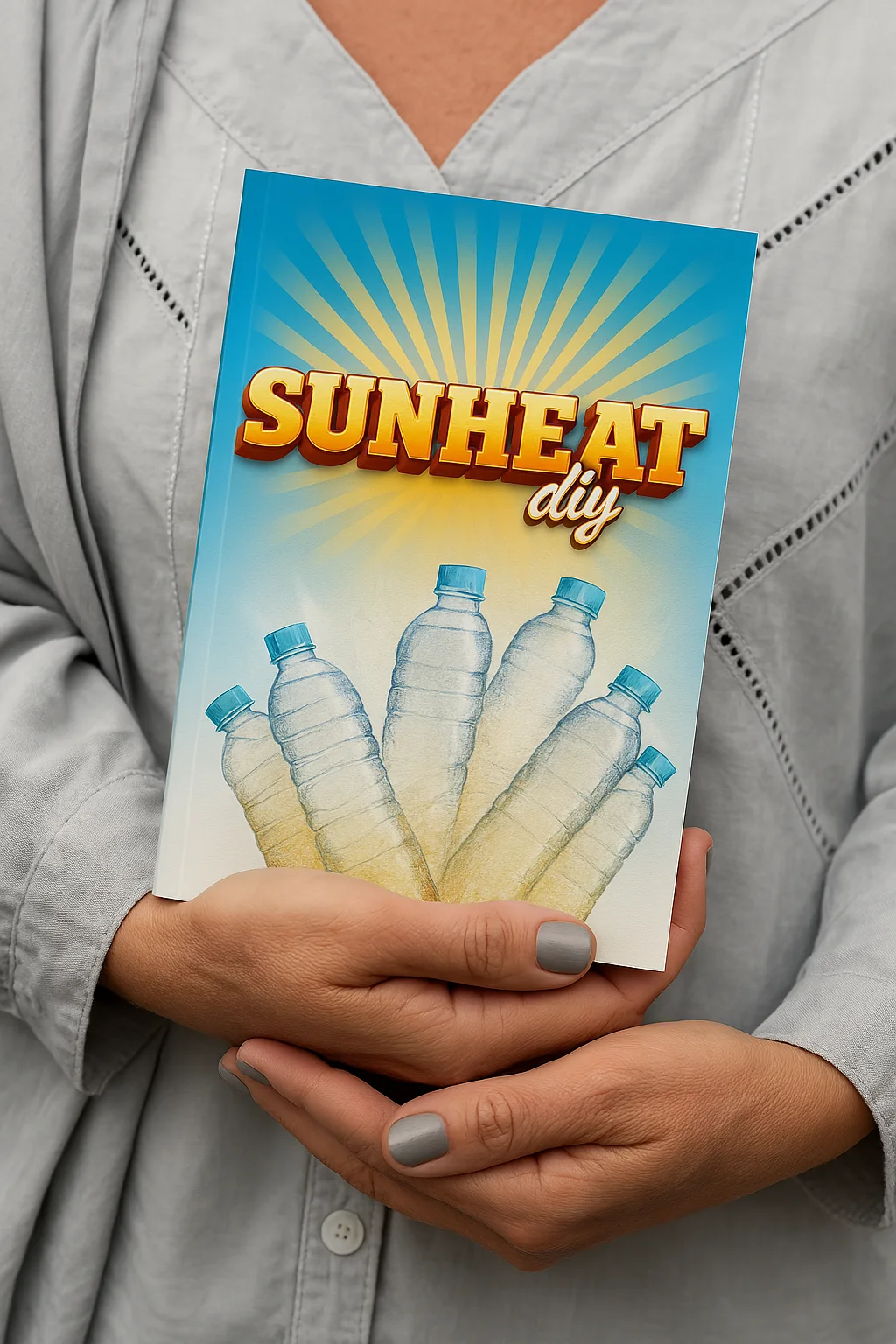
DIY Solar Water Heating: Concepts and Safety
Solar hot-water projects can reduce certain energy needs, but plumbing, pressure and scalding hazards deserve professional attention.
Explore guide →
When and How to Test a Private Water Source
Testing is especially important when the household—not a public utility—is responsible for water quality.
Explore guide →Before you choose your next step
Verify the live digital offer, seller terms and independent water-safety considerations. Affiliate purchase links take you to the seller’s checkout; no purchases are processed on this website.
Check current seller offer Review safety considerations